
Drayton Park removals expert moves for narrow access homes
Posted on 09/05/2026
Moving house is stressful enough before you add a tight staircase, a basement flat, a shared entrance, or a van that simply cannot get close to the front door. That is exactly where Drayton Park removals expert moves for narrow access homes becomes more than a service phrase. It is a practical answer to a very real local problem.
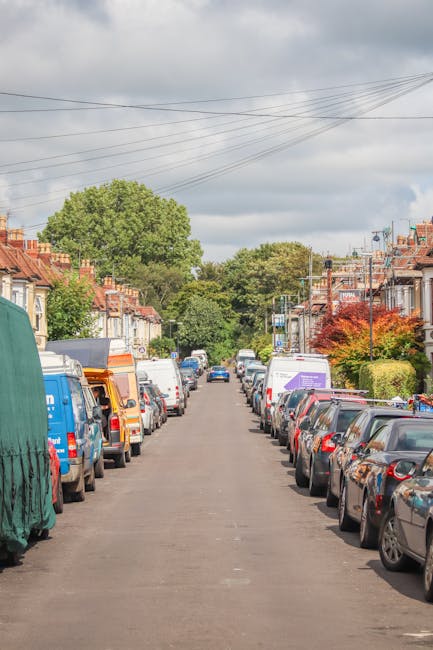
In Drayton Park and the surrounding streets, access can be awkward in the everyday, lived-in way that London homes often are. Think narrow hallways, parked cars, railings, split-level entrances, and those moments where you look at a sofa and quietly think, "Right... how on earth is that going to fit?" This guide explains how expert movers handle tight access properly, what to expect, and how to avoid the usual headaches. If you are comparing options, you may also find it useful to look at removal services in Highbury, flat removals in Highbury, and the wider services overview to see how a full moving plan is normally put together.
Truth be told, narrow-access moves are rarely about brute force. They are about planning, measuring, patience, and the kind of judgement that only comes from doing this over and over again. Get that right, and the move feels controlled instead of chaotic.
![A person's hands are seen operating a combination lock on a wooden door, with one hand pressing a dial while the other stabilizes the lock. The door is made of reddish-brown timber with visible grain and paneling, and it has a metal lock mechanism with numbered dials. To the left, part of a metal handle is visible, and the door appears to be indoors or at the entrance of a house. The background shows blurred elements, possibly a corridor or porch area, and soft lighting highlights the texture of the wood and the metallic lock. This image reflects the process of securing a property or preparing for a home relocation, as performed by [COMPANY_NAME], who assist with house moving services, especially in situations involving narrow access homes. The focus on the lock and door emphasizes key aspects of logistics and security during furniture transport and packing in the context of house removals.](/pub/blogphoto/drayton-park-removals-expert-moves-for-narrow-access-homes1.jpg)
Why Drayton Park removals expert moves for narrow access homes Matters
Narrow access changes everything about a removal. A standard move assumes the van can park sensibly, furniture can travel in straight lines, and there is enough room to carry items without scraping walls or blocking shared areas. In real life, especially around older terraces, mansion blocks, and compact city homes, none of that can be taken for granted.
This matters because the difficulty is not just physical. Tight access increases the chance of delays, damage, neighbour complaints, parking trouble, and last-minute problem solving that nobody asked for. A good removals team does not just "turn up with a van." They assess the access route, choose the right vehicle size, decide whether extra carrying distance is needed, and work out how to protect both the property and the furniture.
In practical terms, expert help can mean the difference between a smooth one-day move and a long, draining job that runs late into the evening. You know the kind of day: one small issue becomes three more. A key is missing. The sofa catches on the turn. The lift is too small. The back gate is narrower than expected. Expert movers plan for all of that before the first box is lifted.
For local context and neighbourhood awareness, it can help to read more about the area through an insider look at Highbury and local advice and opinions on Highbury life. The streets, parking patterns, and housing mix all matter when planning a move.
How Drayton Park removals expert moves for narrow access homes Works
A proper narrow-access removal starts well before moving day. It usually begins with a conversation about the property, access points, parking options, staircases, and the size of the items being moved. If the home has a tight front path, a shared hallway, or limited vehicle access, the mover should want those details early. Not later. Definitely not later.
From there, the move is typically shaped around three things: route planning, vehicle selection, and handling strategy. Route planning covers the best way from the van to the property, including doors, steps, lifts, and any awkward corners. Vehicle selection is about picking a van that suits the street and the load, rather than simply sending the biggest vehicle available. Handling strategy covers how each item will be wrapped, carried, and protected.
In some cases, a moving team may recommend a smaller vehicle or a man and van service in Highbury if the access is especially tight or the load is modest. That can be far more practical than trying to force a large lorry into a street that was never meant for one. There is no prize for making things harder than they need to be.
Good movers also think about timing. Early morning starts may help reduce parking pressure. Lift bookings may need coordination. If there are neighbours to notify, that should be done in advance. And if the property contains heavy furniture, the team may use specialist equipment like removal blankets, straps, trolley systems, and corner protection to prevent damage while navigating narrow turns.
Key Benefits and Practical Advantages
The biggest advantage of using a removals expert for narrow access homes is simple: fewer surprises. But the benefits go deeper than that.
- Reduced risk of damage: Careful handling lowers the chance of scuffed walls, cracked frames, chipped plaster, and damaged furniture.
- Better space management: Experienced movers know how to move large items through tricky routes without unnecessary shuffling.
- More realistic planning: You get a move plan based on the actual property, not a generic assumption.
- Less stress on moving day: Clear preparation means fewer "we'll just figure it out" moments.
- Improved neighbour relations: A tidy, efficient move is less disruptive in shared buildings and narrow streets.
- Smarter cost control: Planning the right vehicle and the right crew can prevent wasted time and avoidable delays.
There is also a quieter benefit that people often underestimate: confidence. If you know the movers understand your access constraints, you stop mentally rehearsing disaster scenarios while trying to tape up boxes. That alone is worth a lot.
For homes with mixed furniture, awkward layouts, or multiple floors, you may also want to explore furniture removals support and home removals services so the plan matches the job properly.
Who This Is For and When It Makes Sense
This type of move is especially useful for people living in compact city homes, basement flats, maisonettes, converted buildings, and properties with shared hallways or restricted parking. It also suits anyone moving bulky items through an awkward route, even if the actual home is not particularly large.
It makes sense if any of the following sound familiar:
- Your front door opens onto a narrow path, stairwell, or passage.
- Your furniture needs to pass tight corners or steep stairs.
- Parking near the property is limited or controlled.
- The building has a small lift, or no lift at all.
- You are moving in or out of a flat where access must be shared with neighbours.
- You have large furniture that cannot be safely dismantled without care.
It is also relevant for students, young professionals, and anyone on a tighter timetable. If the move is small but awkward, a more flexible service can be a sensible choice. In fact, some people find student removals useful for exactly this reason: smaller loads, but still plenty of access headaches.
And yes, sometimes the move is technically "small" but emotionally huge. That first flat, the home office, the family furniture you are trying to keep intact. The practical side matters, but so does the feeling that someone has the situation under control.
Step-by-Step Guidance
Here is the practical way to approach a narrow-access removal in Drayton Park without turning it into a day-long puzzle.
- Survey the access properly. Measure doorways, stair widths, turns, ceiling height on staircases, and any lift dimensions. Take photos if you can. A quick phone video can be surprisingly useful.
- Flag the awkward bits early. Tell the mover about parking restrictions, narrow roads, basement steps, shared courtyards, and anything that might affect loading.
- Match the service to the property. A large household move may need a full removals team, while a lighter load might suit a smaller van-based solution. If you are comparing options, removal van services can be a useful reference point.
- Prepare furniture for tight movement. Remove legs, shelves, loose fittings, and anything that increases width or snags on corners.
- Protect the property. Use door guards, floor protection, and blankets where needed. Small scratches in old paintwork happen fast, annoyingly fast.
- Load in the right order. Large and fragile items should be planned so the team is not constantly reshuffling the van.
- Keep the route clear. On moving day, hallways should be free of loose shoes, plant pots, bins, coat stands, and the other household debris that somehow multiplies overnight.
- Check the final walkthrough. Make sure nothing is left behind, particularly in lofts, cupboards, under beds, and behind doors.
A good move feels calm because the chaos was handled beforehand. That is the real secret, if there is one.
Expert Tips for Better Results
There are a few small habits that make a very big difference with narrow-access moves.
Tip 1: Measure the awkward item, not just the room. People often measure the living room and forget the sofa has arms, feet, and a shape that does not care about the room measurement.
Tip 2: Treat door frames as a problem to solve, not a given. A surprising number of access issues come down to a 2 cm mismatch, a stair bend, or a banister that could be removed and refitted safely. Not always, but often enough.
Tip 3: Ask about dismantling before moving day. Sometimes breaking down a bed frame, wardrobe, or table saves time and avoids damage. Sometimes it does not. A proper mover will tell you which is which.
Tip 4: Leave extra time for parking. Even a short walk from van to door can become awkward when the street is busy. That little bit of extra time matters.
Tip 5: Use labelled boxes sensibly. If the team is carrying boxes up and down tight stairs, clear labels help everyone avoid mistakes. Simple, but very effective.
Tip 6: Be honest about the access. If the stairwell is narrow, say so. If the lift is tiny, say so. Nobody wins if the crew arrives expecting a wide entrance and finds a very different reality.
For people who want a fuller understanding of the company's approach and service style, it can help to read about us alongside the practical guidance here. Transparency is reassuring. It just is.
Common Mistakes to Avoid
Most problems in narrow-access moves are predictable. The tricky part is that people only learn them the hard way once. Here are the big ones to avoid.
- Booking the wrong size vehicle: Bigger is not automatically better. If the street is tight, a smaller vehicle may be far more effective.
- Underestimating parking restrictions: A perfectly organised move can unravel if the van cannot stop legally or safely near the property.
- Not measuring furniture: Guessing is a gamble. And it usually lands badly.
- Forgetting building rules: Some blocks have loading windows, lift bookings, or specific access instructions. Missing those can create delays and complaints.
- Leaving packing until the last minute: Tight-access moves are far easier when everything is boxed and ready.
- Skipping insurance questions: You should know what is covered, what is not, and how claims are handled if something unexpected happens.
A small but common mistake is assuming the mover will "just sort it on the day." They might. But why make life harder? A bit of upfront detail saves a lot of fiddly nonsense later.
If you are comparing providers, it is worth looking at removal companies in Highbury and checking how they explain access planning, insurance, and preparation. That tells you a lot about the standard you can expect.
Tools, Resources and Recommendations
Narrow-access moves rely on the right kit and the right information. The exact tools vary by job, but the common essentials are easy to understand.
| Tool or resource | What it helps with | Why it matters in narrow access homes |
|---|---|---|
| Removal blankets and wraps | Protecting furniture and surfaces | Reduces scuffs when corners and doorframes are tight |
| Furniture straps | Stable lifting and carrying | Makes awkward items easier to control on stairs |
| Dollies and hand trucks | Moving heavier boxes or appliances | Helpful where the route allows wheeled movement |
| Floor and door protection | Preventing damage to the property | Important in shared halls and tight internal routes |
| Pre-move photos or videos | Access assessment | Lets movers spot hidden issues before arrival |
For packing support, packing and boxes guidance can help you choose materials that suit awkward items and reduce breakage. If your move is time-sensitive, you may also want to look at same-day removals, though availability will naturally depend on the job and schedule.
A practical recommendation? Choose cardboard and wrapping based on the item, not on guesswork. Plates need a different approach from books. Lamps are another story entirely. We have all seen the one box that was taped up like a hostage situation. Not ideal.
Law, Compliance, Standards, or Best Practice
For removal work in the UK, narrow-access moves should be handled in line with general health and safety best practice, local parking rules, property access requirements, and any building-specific instructions. The precise obligations depend on the situation, so it is best to treat this as practical guidance rather than legal advice.
In real terms, that means a few things.
- Parking and loading must be lawful: Movements should respect permit zones, waiting restrictions, and any private land rules.
- Safe handling matters: Heavy or awkward items should be moved using sensible lifting techniques and suitable equipment.
- Building access rules should be followed: Some flats and managed properties require advance notice or lift bookings.
- Insurance should be clear: You should understand how goods in transit and public liability cover may apply.
- Risk assessments are part of good practice: Especially where steps, narrow landings, or shared access create extra hazard.
If you want to review the practical side of safety and cover, the pages on insurance and safety and the health and safety policy are useful references. They help set expectations before the move starts, which is always better than sorting out confusion afterwards.
There is also an ethical side to compliance. A responsible mover should treat neighbours, shared spaces, and the property itself with care. That is not an extra. That is the job.
Options, Methods, or Comparison Table
Not every narrow-access move needs the same setup. The right method depends on load size, access width, timing, and how much furniture needs handling. Here is a simple comparison to help you think it through.
| Option | Best for | Strengths | Limitations |
|---|---|---|---|
| Full removals team | Larger homes, multiple rooms, lots of furniture | More hands, better coordination, stronger protection | May be more than you need for a small move |
| Man and van | Smaller loads, flats, flexible scheduling | Cost-effective, adaptable, easier on narrow streets | Less capacity for very large household moves |
| Furniture-only service | Bulky items or specialist pieces | Focuses on the items that cause the most access trouble | Not ideal if the entire property is being moved |
| Same-day support | Urgent or unexpected moves | Fast response, convenient in a pinch | Availability can be limited, especially on busy days |
There is no single "best" option for everyone. A small flat with a heavy sofa may need more specialist handling than a bigger property with easy access. That is why the assessment stage matters so much.
Case Study or Real-World Example
Here is a realistic example based on the kind of move often seen around Drayton Park.
A couple were moving from a first-floor flat with a narrow internal staircase and a shared entrance that opened onto a busy street. The sofa looked manageable in the living room, but the landing had a tight right-angle turn and the banister left very little room. On paper, it was a straightforward two-bedroom move. In practice, it needed planning.
The movers did three things that made the day much easier:
- They checked measurements in advance and asked for photos of the staircase.
- They brought protective materials for the walls and floor, because the entrance was already a bit scuffed from normal use.
- They chose a vehicle that could park close enough without making the street unusable for everyone else.
On moving day, the team dismantled the larger furniture first, loaded fragile boxes separately, and managed the carry route so no one was left waiting in the hallway. It was not dramatic. No heroic music. Just good planning, steady work, and a move that finished without damage or drama.
That is what expert narrow-access moving looks like in the real world. Quiet competence. Nothing flashy. Exactly what you want.
Practical Checklist
Use this checklist before booking and again the day before the move.
- Measure the narrowest doorways, stair turns, and lift dimensions.
- Take photos of entrances, paths, and parking conditions.
- Tell the mover about restrictions, permits, and access times.
- Confirm whether furniture needs dismantling.
- Ask what protection will be used for floors, doors, and walls.
- Check insurance and how breakage or damage is handled.
- Pack and label boxes clearly.
- Keep hallways and landings as clear as possible.
- Arrange keys, entry codes, and contact numbers in advance.
- Set aside essentials you will need immediately after arrival.
Expert summary: If the route is tight, the answer is not to push harder. It is to plan better, choose the right vehicle, and remove avoidable friction before move day arrives.
Conclusion
Drayton Park removals expert moves for narrow access homes is really about making a complicated thing feel manageable. The right team does not just carry boxes. They solve access problems before they become delays, protect your property, and keep the day moving at a sensible pace.
If you are facing a narrow staircase, limited parking, or a home with awkward corners, start with measurements, honest details, and a service that understands the local layout. That alone can save time, money, and a lot of unnecessary stress. And lets face it, moving day already asks enough of you.
Get a free quote today and see how much you can save.
For wider planning support, it can also help to review pricing and quotes and the company's payment and security information so there are no surprises later. A move goes better when everyone knows what the day is meant to look like.
Moving through a tight space is never glamorous, but with the right approach it can be calm, careful, and surprisingly straightforward. That is a good feeling, honestly.
![A person's hands are seen operating a combination lock on a wooden door, with one hand pressing a dial while the other stabilizes the lock. The door is made of reddish-brown timber with visible grain and paneling, and it has a metal lock mechanism with numbered dials. To the left, part of a metal handle is visible, and the door appears to be indoors or at the entrance of a house. The background shows blurred elements, possibly a corridor or porch area, and soft lighting highlights the texture of the wood and the metallic lock. This image reflects the process of securing a property or preparing for a home relocation, as performed by [COMPANY_NAME], who assist with house moving services, especially in situations involving narrow access homes. The focus on the lock and door emphasizes key aspects of logistics and security during furniture transport and packing in the context of house removals.](/pub/blogphoto/drayton-park-removals-expert-moves-for-narrow-access-homes3.jpg)
